

Adult Program
Overview
Morgan Autism Center (MAC) is well known for having run its current adult day program for over 40 years. We are excited to have opened a second program for adults–our Adaptive Skills Trainer program–in 2025. Both programs incorporate MAC’s proven person-centered approach to serving our target population. You can find out more about both programs below as well as how to choose among the two programs and apply if you are interested.
-min.svg)
.png)
IMPORTANT NOTE: As of Summer 2026, we have very limited facility space to expand our adult programs and therefore our ability to enroll additional clients is quite limited.
Adult Day Program (ADP - 531)
Our Adult Day Program is warm and person-centered and is designed specifically for individuals with autism, emphasizing meaningful engagement. We focus on creating a calm, sensory-friendly environment where each participant feels safe, valued, and understood.

Care and Love Are at the Top of Our List
- Staff who greet participants by name and celebrate small wins
- Soothing routines and predictable schedules
- Emphasis on kindness, patience, and genuine human connection
- Creating moments of joy, comfort, and belonging every day
Staffing & Support Ratios
- Low staff-to-participant ratios (e.g., 1:1 to 1:3 depending on needs)
- Highly trained staff with experience in all levels of autism and various development disabilities, communication challenges, and complex behaviors
- Ongoing staff training in crisis prevention and positive behavior supports
Individualized Programming
- Personalized daily schedules tailored to sensory needs, energy levels, and interests
- Clearly defined, measurable goals aligned with everyone’s IPP
- Flexible pacing to reduce stress and prevent overwhelm
- Emphasis on strengths-based development and small, meaningful achievements
Life Skills & Functional Independence
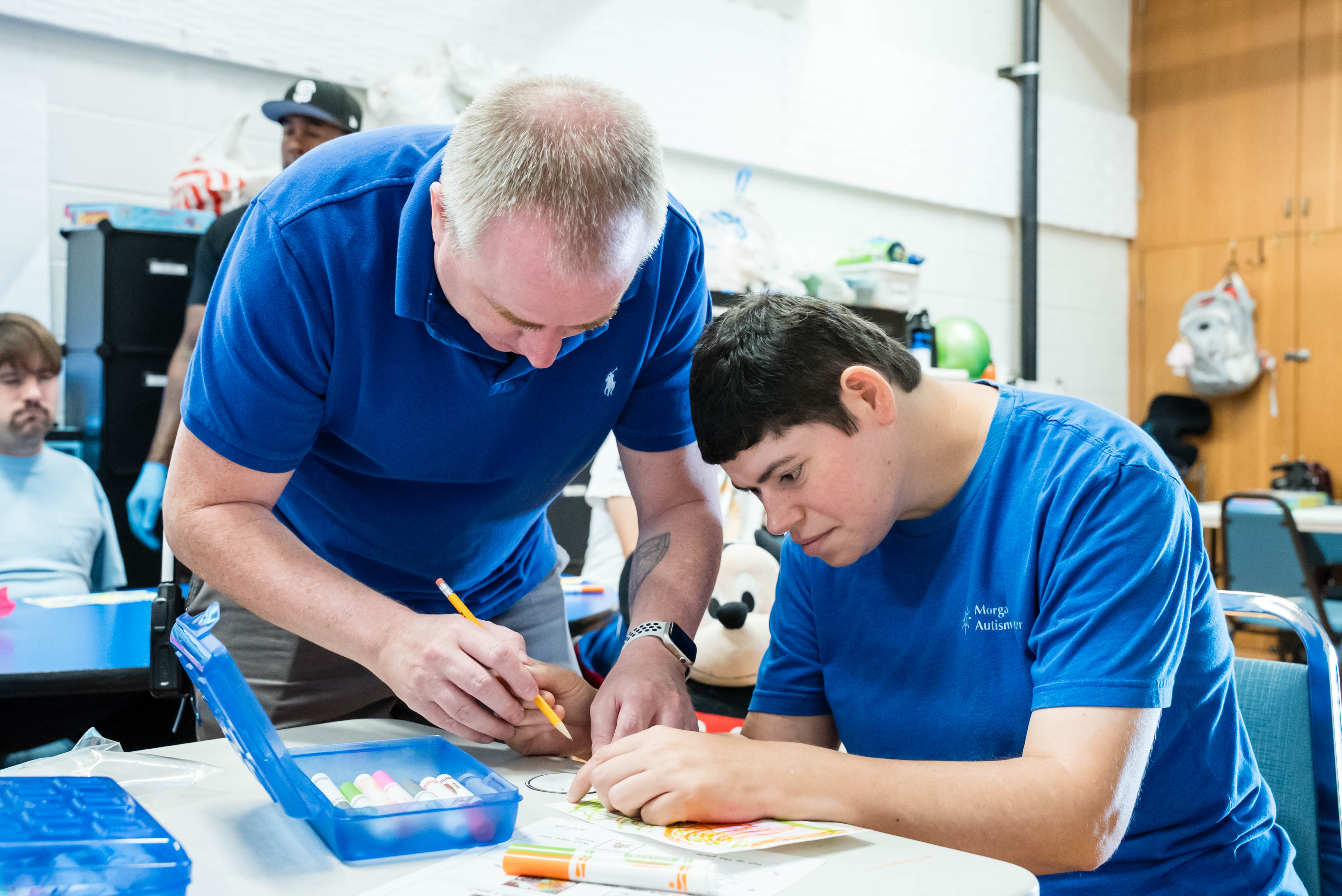
- Instruction in activities of daily living (ADLs) such as hygiene, dressing, feeding, and toileting (as appropriate)
- Development of independence at everyone’s level
Behavioral & Emotional Supports
- If needed, Positive Behavior Support Plans (PBSP) based on functional behavior assessments
- Emphasis on prevention, understanding triggers, and teaching replacement behaviors
- Gentle, respectful de-escalation strategies
Health & Medical Support
- Medication administration and monitoring by trained staff (as required)
- Attention to dietary needs, allergies, and specialized feeding protocols
Social & Relationship Development
- Opportunities for safe, supported social interaction at everyone’s comfort level
- Group activities adapted for sensory and communication needs
- Building trust, connection, and familiarity with consistent staff and peers
Meaningful Activities & Enrichment
- Gentle, engaging activities such as music, art, nature exploration, and movement
- Varied recreation (e.g., walks, gardening, simple crafts)
- Community-based outings with proper support
Family & Caregiver Collaboration
- Regular communication with families (daily notes, check-ins, progress updates)
- Family involvement in goal setting and program planning
- Respect for cultural, linguistic, and family values
Environment & Safety
- Clean, comfortable, and secure setting designed for individuals with high support needs
- Safety features such as secured entry/exit, supervision protocols, and adaptive equipment
- Emergency drills and safety plans tailored to participants
Adaptive Skills Trainer (AST - 605)
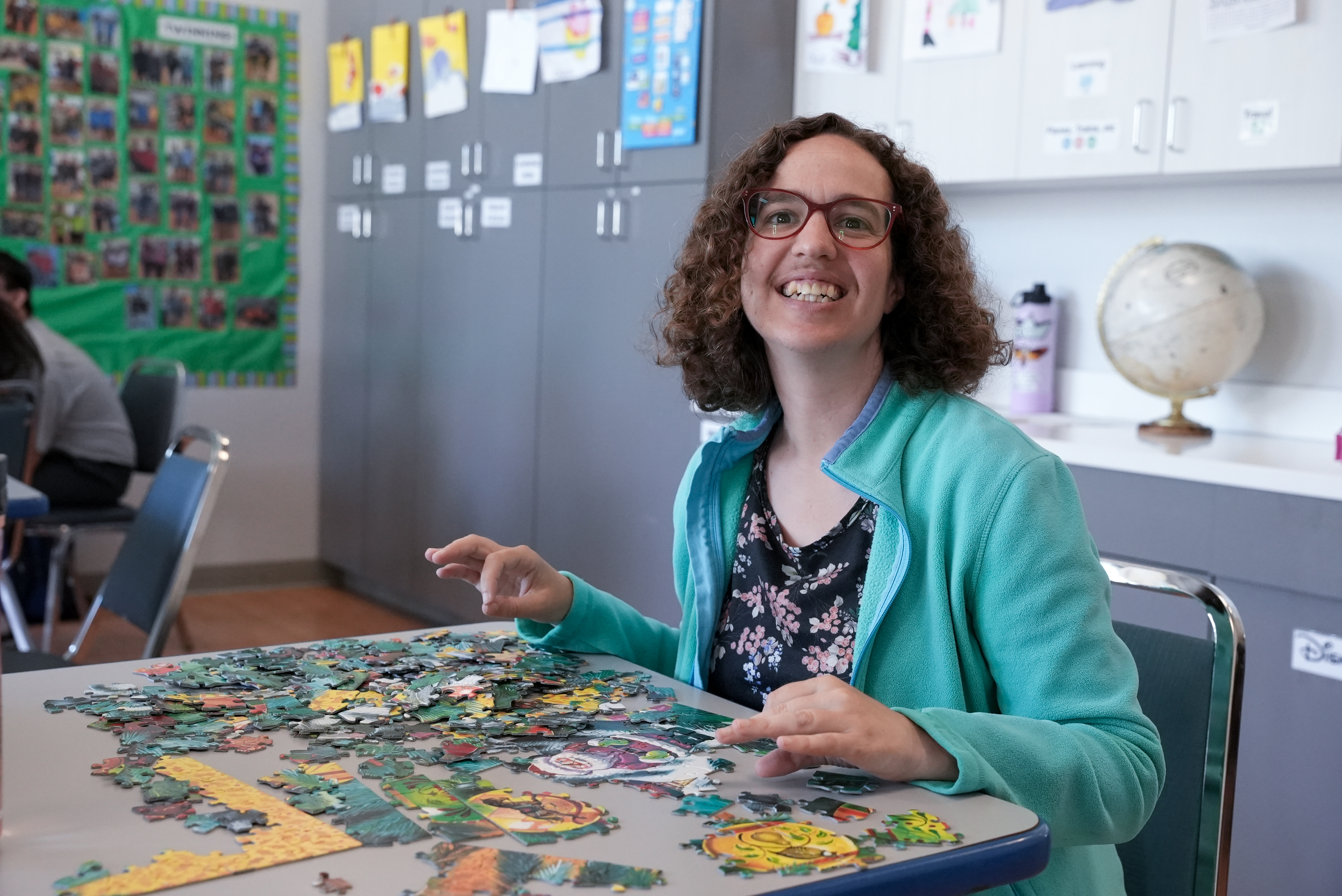
Our Adaptive Skills Training Program is designed to help individuals with developmental disabilities strengthen the everyday life skills needed for greater independence, confidence, and participation in their communities.Our program provides individualized instruction in real-life skills within a warm, supportive, and small-group learning environment. Every participant receives personalized support designed around their unique strengths, interests, and goals. Our program focuses on helping individuals develop practical abilities that support daily living, communication, social interaction, and participation in meaningful activities.Participants are supported by staff who are patient, experienced, and deeply committed to helping each individual succeed. Our small program size allows us to provide personal attention, flexibility, and meaningful relationships with the individuals and families we serve. Many participants develop friendships, confidence, and a stronger sense of belonging while working toward their personal goals.
What Are Adaptive Skills?
Adaptive skills are the everyday abilities that help a person function successfully at home, in the community, and in work or volunteer environments. These may include:
- Communication and social interaction
- Self care
- Community safety and awareness
- Emotional regulation and problem solving
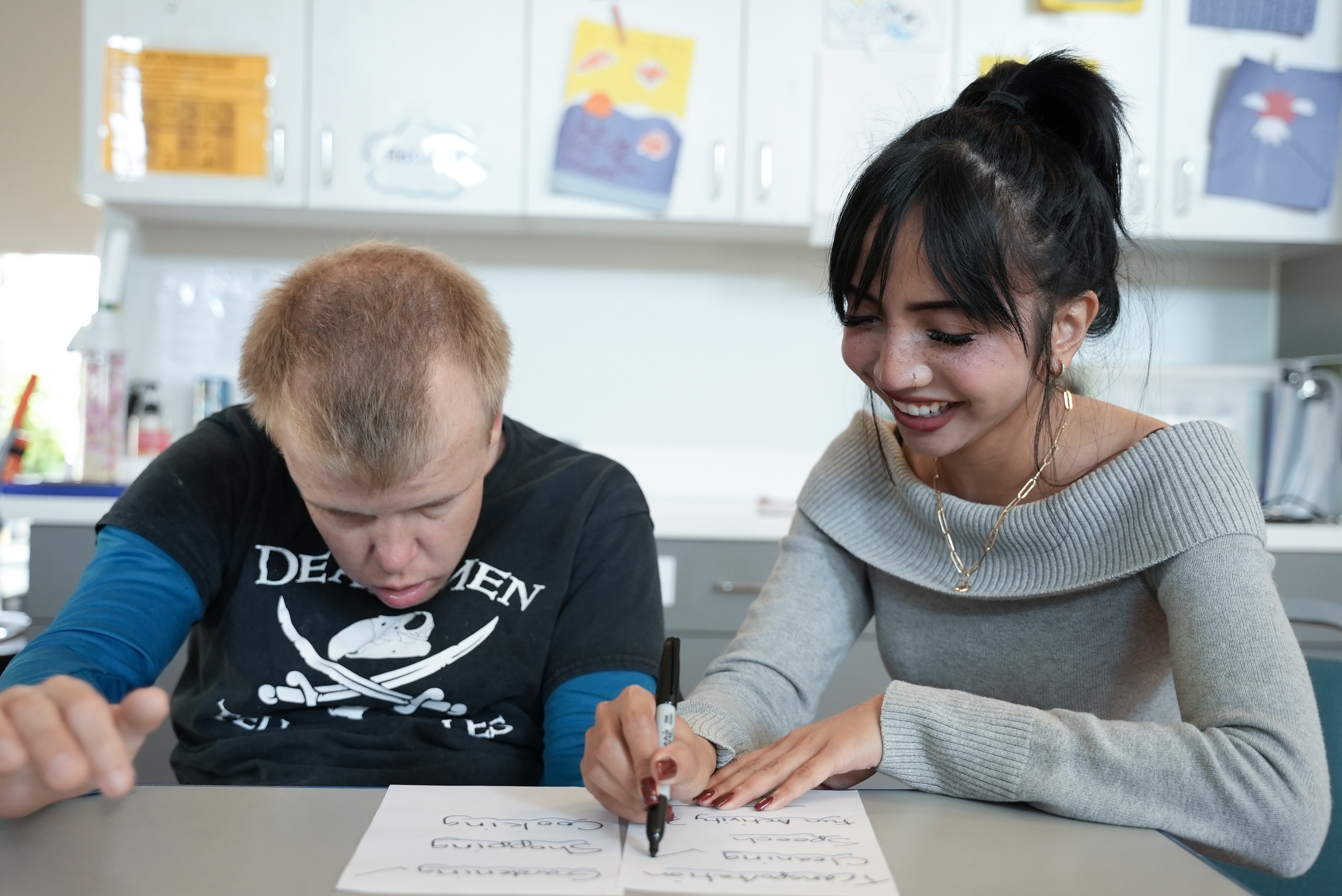
- Daily living skills such as cooking, cleaning, and personal organization
- Money use and budgeting
- Transportation and community navigation
- Vocational readiness and work habits
- Executive functioning and decision making
Instruction happens through hands-on learning, repetition, encouragement, and real-world practice.
Our Approach: Individualized and Supportive
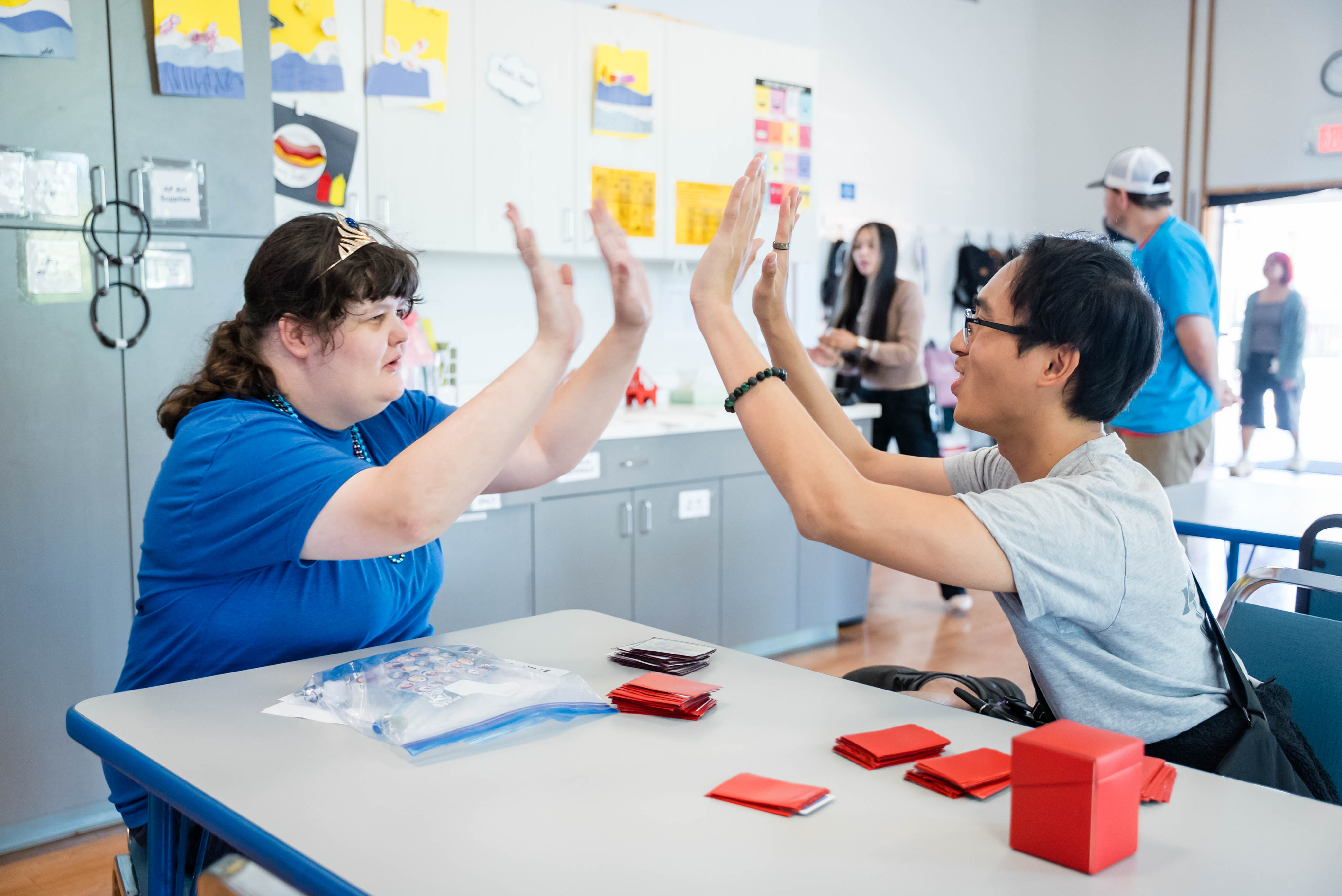
One of the most important features of our program is that every participant has an individualized plan. We understand that everyone learns in their own way. Our trainers take the time to get to know each participant and develop instruction that supports their personal goals and learning style.
Key features of our program include:
Key features of our program include:
- Individualized goals based on each participant’s needs
- Small group instruction with personalized support
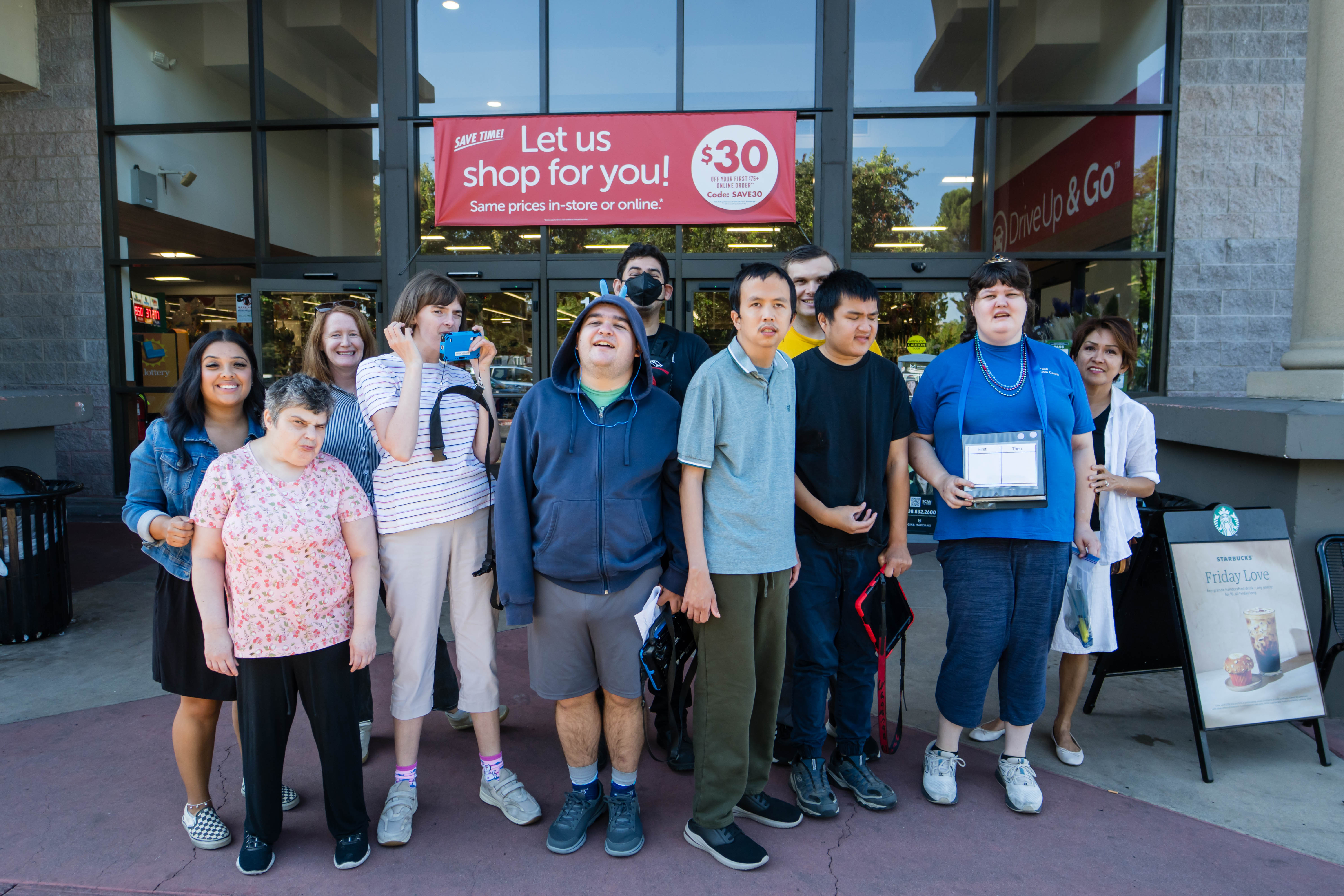
- Hands-on learning in real-world settings
- Positive reinforcement and encouragement
- Consistent progress monitoring through extensive data collection
- Continuous collaboration with families and Regional Center staff
- Quarterly reporting and biannual IDT meetings
Our goal is to create an environment where participants feel safe, supported, and proud of their progress.
Individual Goals and Program Planning
Once enrolled, the program staff develops an individualized training plan for each participant.
This plan includes:
This plan includes:
- Specific adaptive skill goals
- Teaching strategies tailored to the individual
- Expected outcomes and timelines
- Methods for measuring progress
Goals are carefully designed to be meaningful, achievable, and relevant to everyday life.
Examples of goals might include:
Examples of goals might include:
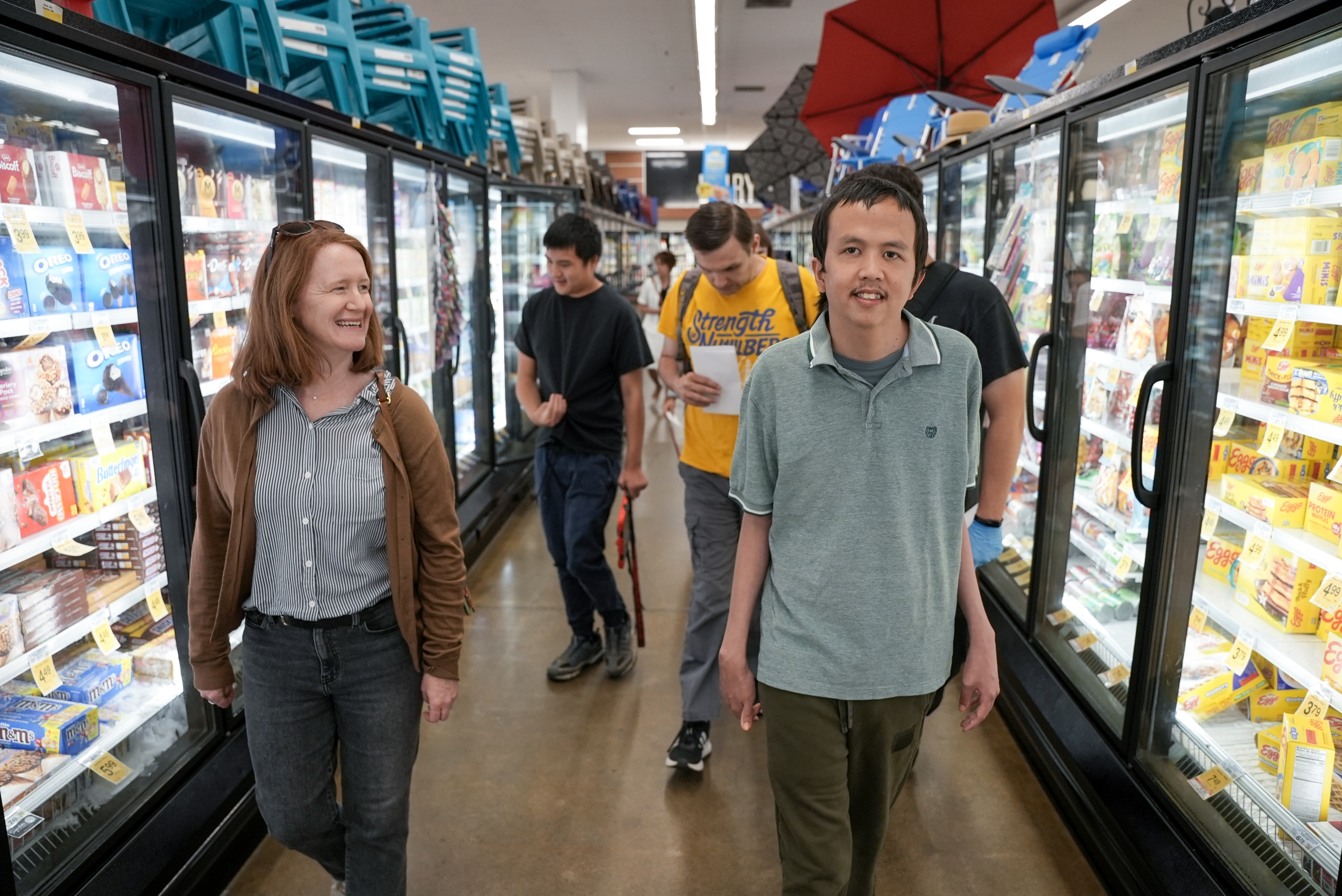
- Following a daily schedule independently
- Improving emotional self-regulation strategies
- Preparing a simple meal
- Using money to make a purchase
- Practicing conversation skills
- Learning public transportation routines
Measuring Progress
Our program uses data collection and progress monitoring to ensure participants are making meaningful gains.
Staff record information about:
Staff record information about:
- Skill practice
- Level of assistance needed
- Accuracy and independence
- Behavioral or social improvements
This information helps us adjust instruction and celebrate progress along the way.
Progress reports are typically shared with:
Progress reports are typically shared with:
- Families
- Regional Center Service Coordinators
- Interdisciplinary team members
Feature
Adult Day Program (ADP)
Adaptive Skills Training (AST)
Service code & vendorization
Service Code 531 for Adult Day Program.
Service Code 605 for Adaptive Skills Training.
Primary focus / goal
Provides socialization, structured activities, general day services.
Provide individualized instruction to enhance or remediate adaptive skill deficits (behavior, communication, safety, hygiene, community access, etc.) and promote greater independence.
Population served / intensity
May serve a broad adult population.
Targeted for individuals who need specialized, individualized training to build or regain skills - often those with more moderate-to-high support needs.
Curriculum / instruction model
Structured day activities: social, recreational, wellness, general supervision, shared meals, and community participation.
Skills-based instruction: daily living, hygiene, communication, safety, money skills, community integration, job readiness, behavior support
Staff credentials / vendor requirements
Staff has multiple years of experience with our targeted population.
In addition to years of experience, providers for AST must meet more stringent educational requirements - Master’s degree and/or Bachelor's degree in specialized areas.
Outcome expectations
Provide active day engagement and social participation in a safe environment.
Measurable improvement in adaptive skill areas (as identified in IPP), evidence of skill acquisition, remediation of deficits- always striving to reach a level of greater independence.
Adaptation / individualization
Day program may offer some individual support but often operates in a group or higher participant to staff ratio.
Highly individualized, goal/objective/curriculum-driven, remediation focus, potentially higher frequency or intensity of support.
Feature
Adult Day Program (ADP)
Adaptive Skills Training (AST)
Service code & vendorization
Service Code 531 for Adult Day Program.
Service Code 605 for Adaptive Skills Training.
Primary focus / goal
Provides socialization, structured activities, general day services.
Provide individualized instruction to enhance or remediate adaptive skill deficits (behavior, communication, safety, hygiene, community access, etc.) and promote greater independence.
Population served / intensity
May serve a broad adult population.
Targeted for individuals who need specialized, individualized training to build or regain skills - often those with more moderate-to-high support needs.
Curriculum / instruction model
Structured day activities: social, recreational, wellness, general supervision, shared meals, and community participation.
Skills-based instruction: daily living, hygiene, communication, safety, money skills, community integration, job readiness, behavior support
Staff credentials / vendor requirements
Staff has multiple years of experience with our targeted population.
In addition to years of experience, providers for AST must meet more stringent educational requirements - Master’s degree and/or Bachelor's degree in specialized areas.
Outcome expectations
Provide active day engagement and social participation in a safe environment.
Measurable improvement in adaptive skill areas (as identified in IPP), evidence of skill acquisition, remediation of deficits- always striving to reach a level of greater independence.
Adaptation / individualization
Day program may offer some individual support but often operates in a group or higher participant to staff ratio.
Highly individualized, goal/ objective/ curriculum-driven, remediation focus, potentially higher frequency or intensity of support.

Copyright © 2024 Morgan Autism Center
FEIN: 94-1722448
FEIN: 94-1722448